Plumbing problems are prevalent in spring and summer due to prolonged winter stress, heavy rains, and increased water usage in Orange County households. Homeowners can often prevent the most common issues with a spring plumbing tune-up. Let’s explore what that service entails and why it matters.
Water Pressure
A spring tune-up includes a water meter inspection to ensure that your plumbing is performing optimally, and usage is within expected parameters. A plumber will also test the water pressure from various fixtures throughout your home. The ideal range is 50 to 70 pounds per square inch (psi). Local pressure issues indicate a problem with a particular fixture or pipe. Hidden leaks and main water line malfunctions can cause low pressure throughout a house. High pressure may indicate that you need a pressure regulator, or your existing regulator has failed.
Pipes and Valves
A plumber will inspect all your visible pipes and valves and can replace insulation, valves, and other components as needed. If there are signs of more serious problems, a plumber can carry out a more comprehensive inspection. That can include video camera inspections to reveal obstructions, pinhole leaks, and corrosion. Advanced methods available for identifying hidden leaks include acoustic and thermal imaging.
Gas Plumbing
If you access either natural gas or liquid propane in your home, a tune-up will extend to your gas plumbing. That will include inspecting the gas line and all connections. A plumber will also test the gas valve and adjust it if necessary.
Sump Pumps
Spring is a crucial time of year if you rely on a sump pump to keep your home dry. Thawing ice and snow may have already saturated the ground. For many areas, spring is a time of heavy rains that can cause water tables to rise even further. Experts recommend annual maintenance for both your primary and backup sump pumps. Both pumps need a multipoint inspection, comprehensive cleaning, and correction of any normal wear and tear. A plumber may recommend proactive repairs, including battery replacement for your backup system. If the system is older than seven years, they may recommend a full replacement instead.
Water Heaters
A common mistake homeowners make is not scheduling water heater service until there’s a problem. Water heating can account for up to 20% of your household’s energy usage. Maintenance can improve energy efficiency, prevent malfunctions, and extend system life. All water heaters require an inspection, a comprehensive cleaning, and basic maintenance. Depending on its type, yours may also require specific maintenance.
Tank Water Heaters
Traditional tank water needs at least annual flushing to remove limescale, corrosion, and other sediment. Left unattended, that sediment can impact efficiency and eventually undermine the tank and other components. Tank water heaters also have a sacrificial anode rod to protect against rust. A plumber will check that rod annually and replace it when it begins to fail. The typical replacement time frame is three to five years.
Tankless Water Heaters
Scale can build up in on-demand water heaters as well, affecting valves, tubes, pipes, and other components. Most plumbers recommend at least annual descaling. That involves using a recirculating pump to cycle a vinegar-and-water mixture through the system. Descaling loosens and washes out all the scale and other accumulated debris. Your tankless water heater may also have filters that your plumber will need to either clean or replace.
Drains and Sewers
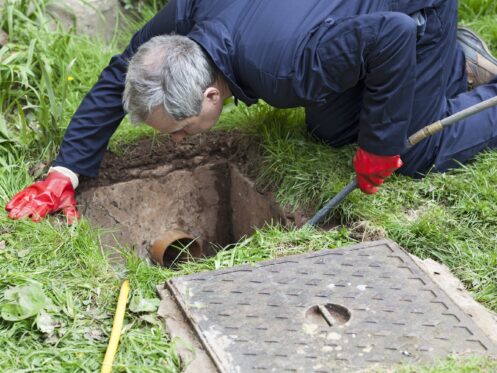
Drain issues are a common plumbing for many households. A plumber can perform drain repairs, including replacing corroded or otherwise worn components. Obstructions can form over time, even with good drainage habits. If a basic drain evaluation reveals potential problems, you may need a camera inspection. A plumber can then recommend drain cleaning and/or sewer line cleaning if necessary.
Preventive Drain Cleaning
If you have drain blockages, a plumber can clear them through either manual or motorized rooter services. Draining issues are even more common in homes with hard water, which promotes scale and hardened soap scum formation. In these cases, you may need high-pressure drain cleaning to remove the scale and scum from the inner pipe walls. Otherwise, it shrinks the diameter of the drainpipe and provides texture on which clogs can form.
Preventive Hydro Jetting
Most households with sewer lines can benefit from preventive sewer line cleaning every one to two years. This service involves using a hydro jet machine to send a powerful stream of water through the line. The stream is powerful enough to break up invasive tree roots and hardened grease without damaging a well-maintained, code-compliant sewer line. It also strips the inner pipe walls of any scale, scum, and other debris. That makes the sewer line less prone to obstructions in the future.
Septic System Treatment and Cleaning
Some residential properties have septic systems rather than sewer lines. Your spring tune-up is a good time to include a septic system inspection. Winter holidays are often hard on a septic system, and you have the high usage of summer ahead of you. Your plumber can recommend any necessary maintenance, including septic tank cleaning. Emptying is usually necessary when the tank is between one-third and one-half full.
Garbage Disposal Maintenance
Include garbage disposal maintenance in your spring tune-up regardless of any drainage issues. A plumber will perform a multipoint inspection and a deep cleaning. That will ensure high performance during the year ahead, help prevent repairs, and extend the life of your garbage disposal.
Kitchen and Bathroom Fixtures
A spring tune-up will include a checkup for all your kitchen and plumbing fixtures, including faucets, toilets, and showerheads. A plumber can replace washers, gaskets, and faucet seats as needed. This is a good time to replace your faucet aerators and have your showerheads professionally cleaned. A plumber will also check the performance of your toilets. Maintenance options include resealing, cleaning out the water jets, and replacing the flappers.
Outdoor Fixtures
If you winterized your home, your outdoor shutoff valve may be closed. A plumber will open the valve and check all the hose bibs. Winter can often be hard on them, and some bibs may need tightening, new washers, or replacement. If you have an in-ground irrigation system, this is a good time to schedule seasonal maintenance for it.
Backflow Preventer
A backflow preventer helps protect against cross-contamination between drinking water and graywater. Most residential properties don’t need one, but there are exceptions, such as duplexes. If you have a preventer, spring is the right time to have a plumber inspect and maintain, rebuild, or replace it as necessary.
Water Quality
Spring is an excellent time for a professional water quality test, as it can reveal impurities in your drinking water. It can also identify water hardness that can negatively impact your plumbing system. Hard water may also affect your quality of life, including cooking and showers. Solutions to overcome these challenges include point-of-entry and point-of-use water purifiers and softeners. For homes with water treatment equipment, maintenance can include a multipoint inspection, sanitization, and new filter media.
Plumbing Maintenance in Orange County and the Surrounding Areas
Bill Metzger Plumbing is a family-owned and -operated company located in San Clemente, CA. We have over 50 years of experience serving Orange County households. Our plumbers can perform a whole-house plumbing inspection and any needed maintenance.
To schedule an appointment, call Bill Metzger Plumbing today, or contact us online.



 Today
Today