Slab leaks are one of the most serious plumbing issues homeowners can face. Because they occur beneath a home’s concrete foundation, they often go unnoticed until damage becomes severe. By the time visible signs appear, the problem may already affect your floors, walls, or structural integrity. Bill Metzger Plumbing in San Clemente, CA helps homeowners detect and resolve slab leaks before they lead to expensive repairs. Understanding what causes these leaks, how to recognize the warning signs, and the steps you can take to prevent them puts you in control of your plumbing system.
What Is a Slab Leak?
A slab leak occurs when a water pipe beneath the concrete foundation of your home develops a leak. These pipes often carry fresh water into your home, and when they fail, water seeps into the soil and concrete below.
Unlike exposed plumbing issues, slab leaks stay hidden. You will not see dripping places or obvious pooling water right away. Instead, the leak works silently under your home, weakening the foundation and creating moisture problems that spread over time.
Most slab leaks involve pressurized water lines. Because these lines remain under constant pressure, even a small break can release a steady flow of water. This continuous exposure increases the risk of structural damage and mold growth.
Common Causes of Slab Leaks
Slab leaks don’t happen randomly. Several conditions increase the likelihood of pipe failure beneath your home.
One of the most common causes is pipe corrosion. Over time, minerals in your water supply react with metal piping, leading to gradual deterioration. This process weakens the pipe walls until a leak develops.
Soil movement also plays a major role. In many areas of California, soil expands and contracts with changes in moisture levels. This shifting places stress on underground pipes, causing them to bend or crack. Even small movements can create long-term strain that leads to failure.
High water pressure creates another risk. When the pressure exceeds safe levels, it puts constant force on the pipe walls. Over time, the pressure accelerates wear and increases the chances of leaks forming under the slab.
Improper installation can contribute to slab leak development as well. Pipes installed without proper support or protection may rub against concrete or gravel. This friction causes abrasions, which gradually wear down the pipe surface.
Temperature changes also have an impact on underground plumbing. Hot water lines expand and contract as temperatures change. Repeated fluctuations cause abrasions, gradually wearing down the pipe connections and joints.
Each of these factors can act alone or combine to create conditions that lead to slab leaks. Understanding these causes helps homeowners recognize risks before damage occurs.
Warning Signs You May Have a Slab Leak
Slab leaks rarely announce themselves with obvious symptoms. Instead, they create subtle changes throughout your home. Knowing what to look for allows you to act quickly.
One of the earliest signs of it is an unexplained increase in your water bills. If your usage has not changed but your costs rise, a hidden leak may be the cause.
You may also notice warm spots on the flooring. These indicate a hot water line leak. Some areas of tile, carpet, or hardwood may feel warmer than usual.
Sometimes, you can hear the sounds of running water, even when you shut everything off. This sound often comes from pressurized water escaping.
Look for cracks in walls or flooring, as these can develop as soil shifts. While cracks can have multiple causes, you should never ignore them, especially when combined with other warning signs.
Musty odors can also develop. Persistent moisture under the home creates an environment where mold and mildew thrive, leading to unpleasant smells indoors.
Low water pressure can mean a leak as well. When water escapes before reaching your fixtures, it reduces the flow you experience throughout your home.
If you notice a combination of these signs, do not wait. Slab leaks worsen over time, so early detection is essential.
Why Slab Leaks Require Immediate Attention
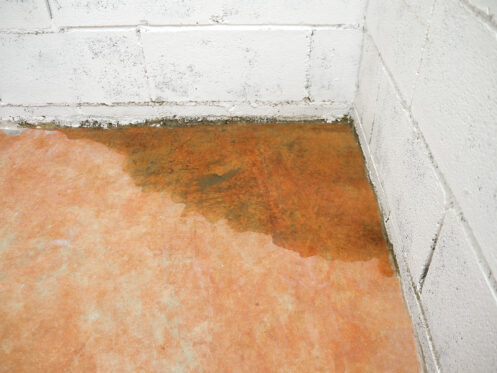
Delaying repairs allows the problem to spread. Water leaking beneath your home does not stay contained. It saturates the surrounding soil, which can destabilize the foundation.
Over time, this movement leads to uneven floors, cracks in walls, and structural concerns that require extensive repair. What begins as a plumbing issue can become a major construction project.
Moisture buildup also creates ideal conditions for mold growth. Mold affects indoor air quality and can pose health risks for your family.
In addition, continuous water loss increases utility costs. A small leak can waste hundreds of gallons of water over time, leading to higher bills without any added benefit.
Professional Solutions for Slab Leaks
Slab leak repair requires specialized tools and expertise. Because the pipes sit beneath concrete, accurate detection is essential before any repairs begin.
Professional plumbers use advanced leak detection methods to locate the exact source of the problem. This approach minimizes disruption and ensures we target the correct areas with repairs.
Once identified, several repair options exist. Spot repair involves accessing the damaged section and repairing or replacing the affected pipe. This method works well when the issue remains isolated.
In some cases, rerouting the pipe provides a better solution. Instead of repairing the line beneath the slab, the plumber installs a new route through walls or ceilings. This avoids future issues in the same area.
For widespread corrosion or multiple leaks, repiping may be necessary. Replacing older plumbing systems improves reliability and reduces the risk of future failures.
Emergencies require immediate action. If a slab leak causes significant water damage or rapid water loss, professional help should not wait. We offer emergency plumbing services.
How to Prevent Slab Leaks in Your Home
While you can’t avoid every slab leak, proactive steps reduce your risk and extend the life of your plumbing system.
Maintaining proper water pressure is one of the most effective preventive measures. Pressure that stays within safe limits reduces stress on pipes and helps prevent premature wear. Installing a pressure regulator ensures consistent levels throughout your home.
Professional pipe installation also plays a critical role. Properly installed pipes include protective measures that reduce friction and prevent contact with rough surfaces. This attention to detail helps avoid long-term damage.
Regular plumbing inspections provide ongoing peace of mind. A professional can identify early signs of wear, corrosion, or pressure issues before they lead to leaks. Routine maintenance keeps your system in better condition and helps you avoid unexpected repairs.
If you have hard water, consider installing a water softener. These systems filter the water entering your plumbing system, reducing corrosion and risk.
In addition, staying aware of changes in your home helps you catch problems early. Paying attention to water bills, pressure changes, and subtle signs makes a difference.
Prevention focuses on consistency. Small efforts over time create a stronger, more reliable plumbing system.
Protect Your Home With Expert Help
Slab leaks create serious risks for California homeowners, but early awareness and professional support make all the difference. Understanding how these leaks form, recognizing the warning signs, and taking preventive steps puts you in a better position to protect your home. Bill Metzger Plumbing is a full-service plumbing company that offers installation, maintenance, and repairs for all plumbing components, including slab leaks.
Contact Bill Metzger Plumbing today to schedule slab leak detection services in San Clemente



 Today
Today