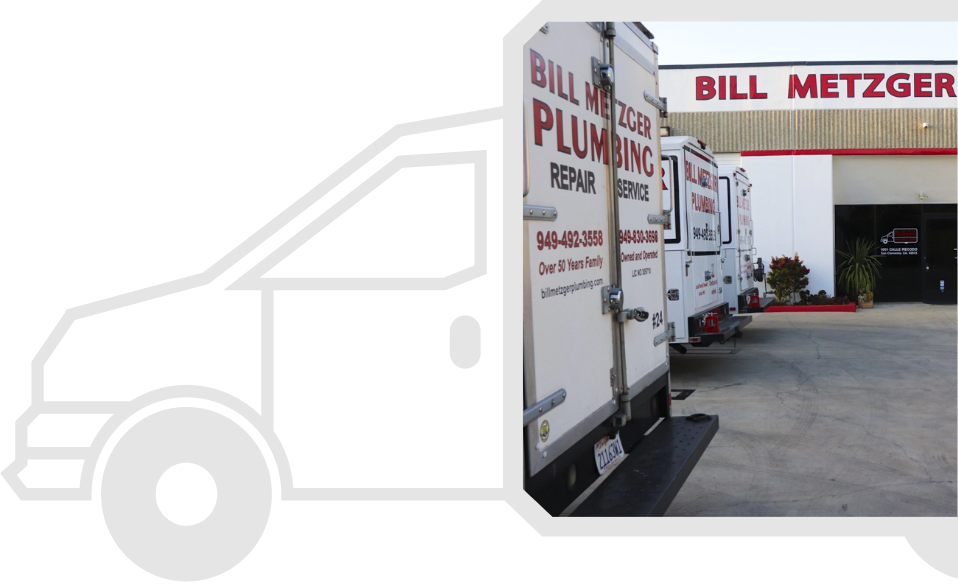

Winter in Southern California doesn’t look like other parts of the country, and plumbing problems can feel extra annoying when they show up. Cooler nights, heavier rain, and holiday houseguests can push your system in ways you don’t notice in summer. A slow drain turns into a backup, a “tiny” leak spreads under a vanity, or your water pressure feels off for no clear reason. At Bill Metzger Plumbing, in San Clemente, CA, we help you figure out what’s normal seasonal stress and what needs attention before it gets worse.
Rainy Weeks Can Turn “Fine” Drains Into Slow, Messy Backups
In a dry stretch, a drain line can get away with a lot. A little grease clings to the inside of the kitchen line. A shower drain carries hair and soap film, but still keeps up. Then winter rain hits, and things change. When soil gets saturated, water can press on older sewer lines and push groundwater into small cracks. If your line has a low spot, that extra water can sit there and steal capacity. You feel it as a sink that drains more slowly than it did last month or a tub that takes an extra minute to clear.
Outdoor drains can also shift the way your plumbing behaves indoors. A yard cleanout that sits in a low area can collect storm runoff and seep into the line if the cap is missing or damaged. A floor drain in a garage or laundry room can make a noise when the system tries to move a larger slug of water. You might notice a gurgle after the washing machine drains or a toilet that bubbles when you run the kitchen sink. Those are not “just sounds.” They often point to restricted airflow in the drain system or a line that is getting crowded during heavy water use.
If the problem shows up only on rainy days, that pattern matters. It can point to outside water getting into a line or a line that cannot move water fast enough under added stress. An experienced plumber can check the drain and sewer line condition and clear the restriction.
Cool Nights Can Trigger Leaks at Valves, Supply Lines, and Faucet Cartridges
Southern California winters tend to bring cooler nights and warmer afternoons, and that swing can expose worn plumbing parts. You might not see a dramatic break. Instead, you get the slow drip that starts after dinner or the damp cabinet floor you notice the next morning. Rubber seals stiffen when the house cools down. Plastic and metal parts shift at slightly different rates. If a shutoff valve or faucet cartridge already has wear, the change in fit can be enough for water to slip past.
These leaks show up in repeated places. Under-sink angle stops can weep at the stem. Braided supply lines can seep at the connection point, leaving a thin mineral crust that looks like white dust. Single-handle faucets can drip when the handle rests in a certain position, then stop when you bump it. Toilets can develop a steady refill pattern if a fill valve starts sticking or a flapper stops sealing cleanly, which can raise your water bill without leaving a clear puddle.
The trick is catching the quiet clues. A cabinet that smells damp, a baseboard that looks slightly swollen, or a vanity floor that feels cool and soft can mean water has been landing in the same spot for days. If you keep seeing moisture, plan for a proper repair. Tightening parts “just a little more” can crack fittings or deform seals, and that tends to create a bigger leak.
Water Pressure Swings Feel Worse in Winter and Can Damage Weak Connections
Pressure problems do not need freezing weather to cause trouble. In winter, you may notice the swings more because you change routines. Guests shower back-to-back. You run the dishwasher while someone fills a tub. Irrigation use drops, which can change neighborhood demand patterns. If your home already runs on the high side for water pressure, those shifts can stress supply lines, faucet parts, and toilet valves.
Some clues look unrelated at first. A faucet that starts dripping again after you thought you had taken care of it. A shower that goes from strong to weak when a toilet refills. A washing machine hose that looks fine, then suddenly leaks at the coupling. Pressure that is too aggressive can also make noisy pipes more noticeable. You hear a bang when a valve closes or a sharp rattle when a fixture shuts off. That noise often points to movement in the system, and movement plus age can loosen threaded connections and compression fittings.
If your home has a pressure regulator, it can wear out and stop holding a steady setting. If your home does not have one, your plumbing takes whatever the supply delivers at that moment. A licensed plumber can measure pressure, watch for spikes, and confirm whether the regulator is doing its job. That kind of check can prevent a small seep from turning into a sudden spray behind a cabinet wall.
Slab Leaks and Hidden Line Seepage Can Be Harder to Spot During Cooler Weather
Cooler winter weather can make it harder to notice the early signs of a hidden leak, especially in homes with lines running under a slab. In summer, a warm spot on the floor can stand out. In winter, the indoor feel can be more even, so the signal gets subtle. You might notice a musty smell near a hallway, a patch of flooring that looks slightly cupped, or a damp baseboard that keeps coming back after you dry it.
Another winter clue is sound. When the house is quieter at night, you may hear a faint hiss or a steady water movement sound, even when all fixtures are off. You might also notice the water heater cycles more than you expect, since it keeps reheating water that never should have left the system. A water bill jump can be the clearest clue, especially when your household routine has not changed.
Hidden leaks can also show up as pressure changes. You turn on a faucet, and the flow takes a moment to stabilize. You get sputtering air that returns often. You see low pressure in one area of the home while other fixtures feel normal. Those patterns do not diagnose the cause on their own, yet they are strong reasons to schedule professional leak detection. A plumber can locate the source and recommend the least disruptive repair path instead of guessing and opening walls at random.
Avoid Southern California Water Woes
Even in a mild Southern California winter, plumbing can take hits from rain-soaked soil, tired shutoff valves, stressed drains, and water pressure changes that show up when you least expect them.
At Bill Metzger Plumbing, we help homeowners in San Clemente and throughout Orange and San Diego counties with leak detection, drain cleaning, sewer line inspections, pressure regulator checks, water heater service, and targeted repairs that stop cabinet damage and surprise water bills. If something feels off this winter, call us today and have us get your plumbing back to being steady and reliable.



 Today
Today